
Descrizione del prodotto
Linea di produzione completamente automatica per wafer/waffle
1introduzione
La linea di produzione di wafer completamente automatica è progettata e realizzata tenendo conto delle esigenze specifiche dell'industria nazionale di produzione di biscotti e integrando le linee di produzione di wafer più note di numerosi produttori esteri, offrendo prestazioni affidabili, struttura compatta, ingombro ridotto, elevata produttività, basso consumo energetico, manutenzione agevole e funzionamento semplice.
È composto da forno di cottura, torre di raffreddamento, macchina per la selezione delle sfoglie, macchina per la stesura della crema, armadio di raffreddamento, macchina per il taglio, impastatrice, miscelatore per la crema e macchina per la triturazione.
I motori di azionamento sono di produzione SEW (Germania), mentre i cuscinetti sono di produzione CZPT (Germania). Il sistema operativo utilizza la programmazione PLC per automatizzare il processo e semplificarne il controllo.
2. Layout di produzione
3. Materiali e parametri(Diversi modelli della macchina avranno parametri diversi, solo a titolo di riferimento)
1. Produzione: 28 fogli di wafer al minuto (in base alla ricetta base per i wafer)
2. Potenza totale: 42,41 kW (380 V, 50 Hz)
3. Tasso di prodotto finito:≥95%
4. Pressione di alimentazione del gas: 0,02-0,04 kg/cm2
5. Consumo di gas:
GPL: circa 27 kg/ora
Gas naturale: circa 38 m³/ora
6. Valore di compressione dell'aria: 0,9 m³/min/0,8 MPa
7. Dimensioni della teglia: 470 mm × 325 mm
8. Dimensioni di taglio effettive: 455 mm × 315 mm
9. Dimensioni totali della linea (L×P×A): 28,0 m×2,0 m×2,5 m
10. Peso totale della linea: circa 21 tonnellate
11. Operatori: 4 persone (esclusi gli addetti all'imballaggio)
12. Personale addetto all'installazione e alla messa in servizio: 1-2 persone
143. Tempo di installazione: 2 settimane
14. Container di spedizione: 2×40'HQ
15. Tempi di consegna: 90 giorni dal ricevimento del deposito
4 foto del prodotto:
4Nome ordine Potenza (KW) Quantità
1.1 Forno piano 165.5 1
Ricevitore a 2 fogli 0,18 2
3 torre di raffreddamento 0 2
Macchina confezionatrice a 4 fogli 0,36 2
5 fornitore di fogli intermittenti 0,36 2
6 trasportatori 0,18 1
7 armadietto umidificatore 7.5 1
8 macchina per la spalmatura della crema 7.17 1
8.1 Prima macchina di rivestimento 1.5 1
8.2 compressore di scarico 1.1 1
8.3 secondo rivestimento 1.5 1
Selezionatrice composita a 9 fogli 0,12 1
10 Macchina plastificatrice pneumatica 0,75 1
11 Trasportatore di ingresso dell'armadio frigorifero 0,75 1
12 105METRI congelatore 12.258 1
13 unità di raffreddamento ad acqua 1
14 Macchina per il taglio di lame di sega rotativa 0,93 1
15 macchina per distruggere 1
5 foto del prodotto:
Presentazione dell'azienda
La nostra azienda è in grado di produrre linee automatiche per la produzione di wafer, tra cui forni a tunnel, macchine per il confezionamento in fogli, torri di raffreddamento, macchine per la stesura della crema, armadi di raffreddamento, miscelatori per crema, distributori e altre macchine. Queste linee offrono numerosi vantaggi, tra cui prestazioni affidabili, elevata resa, basso consumo energetico, manutenzione agevole, facilità d'uso e assenza di inquinamento ambientale, e godono di un'ottima reputazione presso i nostri clienti.
vendite all'estero
I nostri prodotti non solo vendono bene sul mercato interno, ma vengono anche ampiamente esportati in molti paesi del mondo, come Indonesia, Vietnam, Filippine, Bangladesh, Pakistan, Uzbekistan, Giordania, Algeria, Romania, Polonia, Finlandia, Turchia, Siria, Brasile e altri paesi.
Il nostro obiettivo di vendita è massimizzare la soddisfazione del cliente ed espandere il marchio aziendale. Le prestazioni tecniche, la qualità e le esigenze del cliente delle apparecchiature vengono rigorosamente verificate e gestite prima della commercializzazione. Disponiamo di un sistema di assistenza post-vendita impeccabile e di un team di ingegneri collaudatori esperti in grado di fornire tempestivamente servizi di manutenzione, sostituzione dei componenti e risposte alle domande frequenti degli utenti.
6 domande e risposte
1. D: Siete produttori?
A: Sì, siamo una fabbrica specializzata in linee di produzione per macchine per la produzione di wafer, macchine per la copertura al cioccolato, linee di produzione per wafer sferici e così via. I nostri prodotti si distinguono per l'alta qualità, il risparmio energetico e il prezzo competitivo. Credo che troveranno un mercato nel vostro paese.
2. D: Come viene spedita la macchina per wafer?
A: Solitamente via mare, ma anche in base alle esigenze del cliente.
3. D: Perché scegliere noi?
A: –Siamo un fornitore leader in Cina di macchinari per la produzione di snack.
1. Fornitore di spicco di prodotti Made-in-China.
2. Qualsiasi ispezione prima della spedizione.
3. Massima qualità e miglior servizio a un prezzo competitivo.
5. D: Il vostro sistema operativo offre diverse opzioni linguistiche?
A: Utilizziamo un sistema di controllo PLC e motori SWE di produzione tedesca. Credo che i nostri prodotti soddisfino le vostre esigenze. Saremmo lieti se poteste venire a visitare i nostri stabilimenti.
How to Choose the Right Air Compressor
An air compressor uses pressurized air to power a variety of tools. They are most commonly used to power nailers and impact wrenches. Other popular uses for air compressors include paint sprayers and impact wrenches. While all air compressors have the same basic construction, their specialty differs. Ultimately, their differences come down to the amount of air they can push. Read on for information on each type of air compressor. These tools are great for many different purposes, and choosing the right air compressor depends on your specific needs.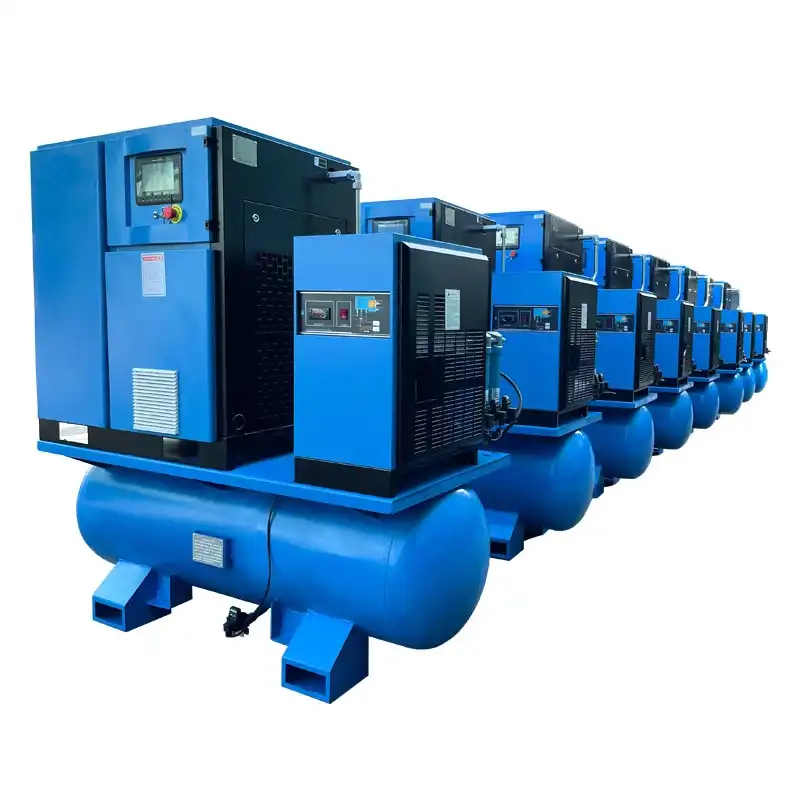
Electric motor
While purchasing an electric motor for air compressor, compatibility is a key factor. Not all motors work with the same type of air compressor, so it’s important to check the manufacturer’s instructions before purchasing. By doing this, you can avoid wasting money on an incompatible motor. Another important consideration is speed. A motor’s speed is its rate of rotation, measured in revolutions per minute. It is critical that you purchase a motor with sufficient speed to meet the needs of your air compressor.
Typically, an electric motor for air compressor is 1.5 hp. It is ideal for use with medical equipment and metal-cutting machines. It also performs well under continuous operation and offers a high efficiency and energy-saving performance. Moreover, it features an attractive price, making it a good choice for a wide range of applications. If you are looking for a motor for an air compressor, look no further than a ZYS series.
A motor’s protection class indicates how the motor will operate. Protection classes are specified by the IEC 60034-5. These are stated with 2 digits and represent the protection against solid objects and water. For example, an IP23 rating means that the motor will be protected from solid objects, while IP54 means that it will protect from dust and water sprayed from all directions. It is vital to choose a motor with the correct protection class for your air compressor.
When choosing an electric motor, you should consider whether it’s compatible with the brand of air compressor. Some may be compatible, while others may require advanced electronics skills to repair. However, most air compressors are covered by warranty, so it’s important to check with the manufacturer if the warranty is still in effect before you spend a dime on a replacement. The motor should be replaced if it has failed to perform as designed.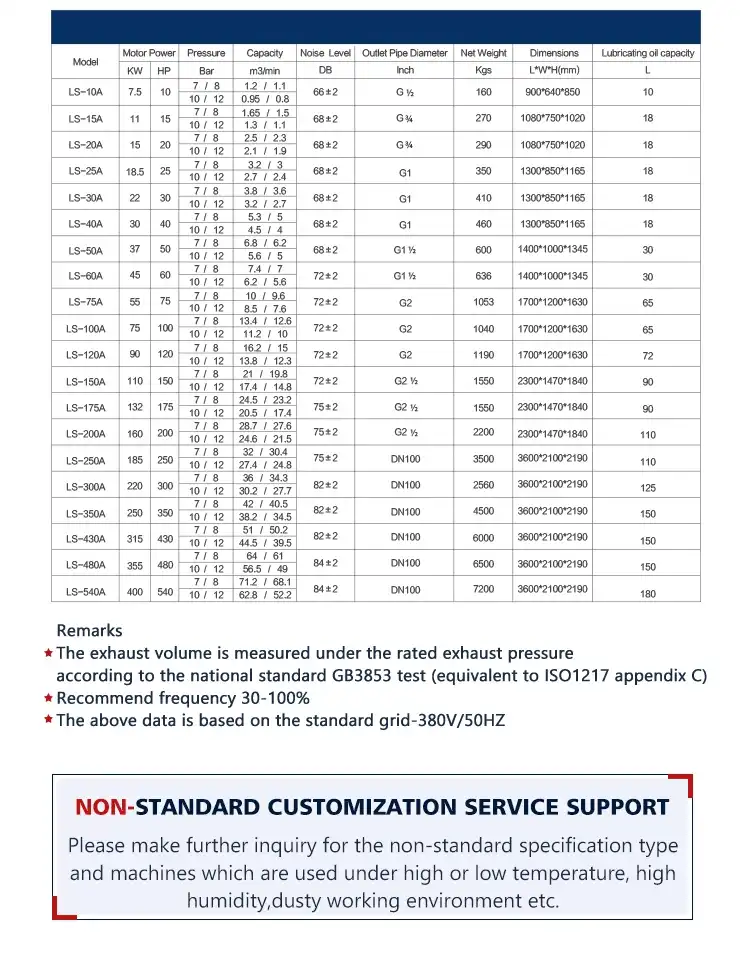
Oil bath
Air compressors require proper lubrication to function efficiently. The piston must draw air with minimal friction. Depending on their design, air compressors can either be oil-lubricated or oil-free. The former uses oil to reduce piston friction, while the latter splashes it on the cylinder bearings and walls. Such air compressors are commonly known as oil-flooded air compressors. In order to keep their oil baths clean, they are recommended for use in locations with high dust levels.
Start/stop control
An air compressor can be controlled by a start/stop control. This type of control sends a signal to the main motor that activates the compressor when the demand for air falls below a preset limit. This control strategy is effective for smaller air compressors and can be useful for reducing energy costs. Start/stop control is most effective in applications where air pressure does not change frequently and where the compressor is not required to run continuously.
To troubleshoot this problem, you need to check the power supply of your compressor. To check the supply side, use a voltage monitor to determine if power is flowing to the compressor. Ensure that the power supply to the compressor is steady and stable at all times. If it fluctuates, the compressor may not start or stop as expected. If you cannot find the problem with the air compressor power supply, it may be time to replace it.
In addition to the start/stop control, you may want to purchase additional air receivers for your air compressor. These can increase the capacity of air stored and reduce the number of times it starts and stops. Another way to decrease the number of starts per hour is to add more air receivers. Then, you can adjust the control to match your requirements. You can also install a pressure gauge that monitors the compressor’s performance.
Start/stop control for air compressors can be complex, but the basic components are relatively easy to understand. One way to test them is to turn the compressor on or off. It is usually located on the exterior of the motor. If you’re unsure of the location of these components, check the capacitors and make sure that the air compressor is not running while you’re not using it. If it does, try to remove the capacitor.
Variable displacement control is another way to adjust the amount of air flowing into the compressor. By controlling the amount of air, the control can delay the use of additional compressors until more required air is available. In addition to this, the device can also monitor the energy used in the compressor. This control method can result in substantial energy savings. You can even save on the amount of electricity by using variable displacement control. It is essential for efficient compressed air systems.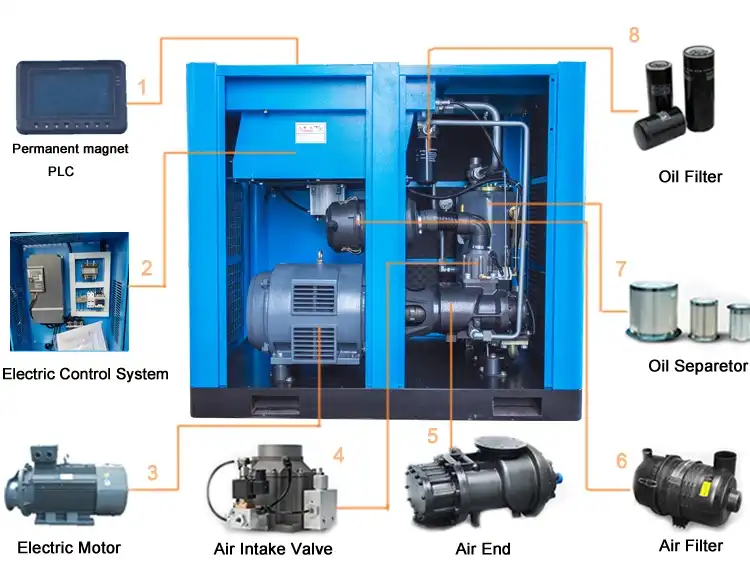
Variable speed drive
A VFD, or variable frequency drive, is a type of electric motor that adjusts its speed to match the demand for air. It is an efficient way to reduce energy costs and improve system reliability. In fact, studies have shown that a 20% reduction in motor speed can save up to 50% of energy. In addition, a VFD can monitor additional variables such as compressor oil pressure and motor temperature. By eliminating manual checks, a VFD will improve the performance of the application and reduce operating costs.
In addition to reducing energy costs, variable-speed drives also increase productivity. A variable-speed air compressor reduces the risk of system leaks by 30 percent. It also reduces the risk of system leaks by reducing pressure in the system. Because of these advantages, many governments are promoting this technology in their industries. Many even offer incentives to help companies upgrade to variable-speed drives. Therefore, the variable-speed drive can benefit many air compressor installations.
One major benefit of a variable-speed drive is its ability to optimize energy use. Variable frequency drives are able to ramp up and down to match the demand for air. The goal is to optimize the pressure and flow in the system so that the best “dead band” occurs between 40 percent and 80 percent of full load. A variable-speed compressor will also increase energy efficiency because of its programmability.
A variable-speed air compressor can also be used to control the amount of air that is compressed by the system. This feature adjusts the frequency of power supplied to the motor based on the demand. If the demand for air is low, the frequency of the motor will reduce to save energy. On the other hand, if there is an excess demand for air, the variable-speed compressor will increase its speed. In addition, this type of air compressor is more efficient than its fixed-speed counterpart.
A VFD has many benefits for compressed air systems. First, it helps stabilize the pressure in the pipe network, thereby reducing the power losses due to upstream pressure. It also helps reduce the power consumption caused by fluctuations in upward pressure. Its benefits are also far-reaching. And as long as the air pressure and air supply is properly sized, a VFD will help optimize the efficiency of compressed air systems.

