
Descrição do produto
Solar Split Air Conditioner/Wall Mounted Type Hybrid Solar AC
Detalhes do produto
Quando a energia é ligada, o compressor começa a funcionar, comprimindo o fluido refrigerante de baixa pressão para alta pressão e de baixa temperatura para alta temperatura, descarregando-o em seguida no trocador de calor do coletor solar.
Durante o dia, o tubo de vácuo absorve a luz solar para aquecer a água do reservatório. Em seguida, a água quente transfere o calor para o fluido refrigerante através do trocador de calor, que por sua vez auxilia o compressor a elevar a temperatura e aumentar a pressão do fluido refrigerante. Dessa forma, basta um compressor de menor capacidade para o sistema funcionar, consumindo menos energia para aquecer ou resfriar o ambiente e, consequentemente, economizando energia.
O ar-condicionado solar híbrido é alimentado por eletricidade e utiliza energia solar como fonte auxiliar. Os dois tipos de energia funcionam de forma complementar, de acordo com os princípios da dinâmica dos fluidos. Ele combina o sistema de absorção com o sistema de compressão, utilizando fluidos ecológicos para refrigeração e aquecimento, com base na tecnologia tradicional de ar-condicionado, visando economia de energia e proteção ambiental.
Apresentação do produto
(9000 BTU - 24000 BTU) para fogões de parede. Até 48000 BTU para as séries Cassete, Duto, Piso e Piso-teto.
- Conectado à rede elétrica com energia solar 50%
- Classificação de altíssima eficiência, atingindo 4,0.
3. Design moderno e elegante, visor LED, funcionamento silencioso.
4. Coletor solar de tubo térmico a vácuo, com fácil instalação e custo acessível.
5. Compressor CZPT
6. Trocador de calor com revestimento azul (Melhor efeito de transferência de calor)
Tubos de conexão de cobre 7.100% com isolamento
8. Gás ecológico R410A
Parâmetros do produto
| Freon:R410 | ||||||
| Fonte de alimentação: 220-240 VCA, monofásico, 50/60 Hz | ||||||
| Desempenho | ||||||
| Capacidade | Resfriamento | Btu/h | 9000 BTU | 11500 BTU | 12000 BTU | 18000 BTU |
| C | 2600 | 3200 | 3500 | 5200 | ||
| Aquecimento | Btu/h | 10000 | 12000 | 13000 | 20000 | |
| C | 2900 | 3500 | 3800 | 6000 | ||
| Barulho | Interior | dB(A) | ≤40 | ≤42 | ≤42 | ≤44 |
| Ar livre | dB(A) | ≤50 | ≤52 | ≤52 | ≤54 | |
| Circulação de ar | m³/h | 500 | 520 | 550 | 800 | |
| Área adequada | m² | 11~17 | 13~21 | 15~23 | 26~36 | |
| EER | W/W | 3.84 | 3.72 | 3.89 | 3.83 | |
| Btu/h/w | 12.42 | 12.69 | 13.27 | 13.07 | ||
| Consumo de energia | ||||||
| Entrada de energia | Resfriamento | C | 650~770 | 780~940 | 800~1571 | 1100~1300 |
| Aquecimento | C | 650~780 | 780~950 | 800~1050 | 1150~1350 | |
| Corrente nominal | Resfriamento | UM | 3.00~3.60 | 3.55~4.27 | 3.70~4.80 | 6.30~7.30 |
| Aquecimento | UM | 3.00~3.65 | 3.55~4.31 | 3.70~4.90 | 6.30~7.50 | |
| Tubo de vácuo | Diâmetro*Comprimento*Peças | 47*520*10 | 47*520*10 | 47*520*10 | 47*620*11 | |
| Coletor solar de placa plana | WXDXH | 1000x550x90 | 1000x550x90 | 1000x550x90 | 1000x550x90 | |
| Dimensões | ||||||
| Unidade interna | Líquido | mm | 775*265*210 | 775×265×210 | 775×265×210 | 985×300×220 |
| Envio | mm | 840*325*265 | 840×325×265 | 840×325×265 | 1080×380×300 | |
| Unidade externa | Líquido | mm | 790*260*540 | 790*260*540 | 790*260*540 | 850*300*755 |
| Envio | mm | 910*370*610 | 910*370*610 | 910*370*610 | 950*410*760 | |
| Reservatório de água | Envio | mm | 910*400*330 | 910*400*330 | 910*400*330 | 980*400*370 |
| Tubo de vácuo | Envio | mm | ||||
| Coletor solar de placa plana | Envio | mm | 1100x650x110 | 1100x650x110 | 1100x650x110 | 1100x650x110 |
| Peso | ||||||
| Unidade interna | Líquido/Bruto | kg | 9/10.5 | 10/11.5 | 10/11.5 | 16/17.5 |
| Unidade externa | Líquido/Bruto | kg | 31/34 | 36/38 | 38/40 | 50/52 |
| Coletor solar | Líquido/Bruto | kg | 13/15 | 13/15 | 13/15 | 16/17 |
| Quantidade de carregamento | em 20 pés | conjuntos | 75 | 75 | 75 | 55 |
| 40HQ | conjuntos | 175 | 175 | 175 | 125 | |
| Freon:R410 | |||||
| Fonte de alimentação: 220-240 VCA, monofásico, 50/60 Hz | |||||
| Desempenho | |||||
| Capacidade | Resfriamento | Btu/h | 20000 BTU | 24000 BTU | 36000 BTU |
| C | 6000 | 7200 | 10000 | ||
| Aquecimento | Btu/h | 22000 | 27000 | 40000 | |
| C | 6600 | 7900 | 11000 | ||
| Barulho | Interior | dB(A) | ≤46 | ≤50 | ≤52 |
| Ar livre | dB(A) | ≤56 | ≤58 | ≤60 | |
| Circulação de ar | m³/h | 850 | 1150 | 1350 | |
| Área adequada | m² | 25~42 | 30~48 | 40~60 | |
| EER | W/W | 3.88 | 3.82 | 3.82 | |
| Btu/h/w | 13.24 | 13.03 | 13.03 | ||
| Consumo de energia | |||||
| Entrada de energia | Resfriamento | C | 1350~1560 | 1700~1900 | 2400~2640 |
| Aquecimento | C | 1350~1590 | 1700~1950 | 2470~2650 | |
| Corrente nominal | Resfriamento | UM | 6.30~7.30 | 8.00~8.90 | 10.91~11.95 |
| Aquecimento | UM | 6.30~7.50 | 8.00~8.90 | 11.23~12.05 | |
| Tubo de vácuo | Diâmetro*Comprimento*Peças | 47*620*11 | 47*620*11 | 47*620*11 | |
| Coletor solar de placa plana | WXDXH | 1000x550x90 | 1000x550x90 | 900x500x80 | |
| Dimensões | |||||
| Unidade interna | Líquido | mm | 985×300×220 | 985×300×220 | 1080×320×240 |
| Envio | mm | 1080×380×300 | 1080×380×300 | 1150×420×320 | |
| Unidade externa | Líquido | mm | 850*300*755 | 850*300*755 | 865*310*710 |
| Envio | mm | 950*410*760 | 950*410*760 | 1571*395*790 | |
| Reservatório de água | Envio | mm | 980*400*370 | 980*400*370 | 980*400*370 |
| Tubo de vácuo | Envio | mm | |||
| Coletor solar de placa plana | Envio | mm | 1100x650x110 | 1100x650x110 | 950x550x90mm |
| Peso | |||||
| Unidade interna | Líquido/Bruto | kg | 16/17.5 | 20/22 | 23/25 |
| Unidade externa | Líquido/Bruto | kg | 50/52 | 55/58 | 65/70 |
| Coletor solar | Líquido/Bruto | kg | 16/17 | 16/17 | 16/17 |
| Quantidade de carregamento | em 20 pés | conjuntos | 55 | 55 | 50 |
| 40HQ | conjuntos | 125 | 125 | 115 | |
Mostrar detalhes do produto:
Projetos de ar condicionado solar:
Processamento de Produtos
Embalagem do produto
Produtos populares
Por que nos escolher?
1. Responderemos à sua solicitação em 24 horas.
2. Retorno da reclamação em 24 horas.
3. OEM/ODM são aceitos.
4. Agentes exclusivos no país local são bem-vindos.
5. Fornecer aconselhamento técnico profissional
6. A Supergreen Tech Co., Ltd. é uma fabricante profissional de produtos solares, como lâmpadas solares, condicionadores de ar solares, refrigeradores solares, lâmpadas solares para controle de pragas e outros.
Com certificação CE e diversas tecnologias patenteadas, garantimos que podemos fornecer a todos os nossos clientes os melhores produtos, fáceis de usar!
PERGUNTAS FREQUENTES:
P1. Posso solicitar uma amostra de ar condicionado solar?
Sim, aceitamos pedidos de amostra para teste e verificação de qualidade. Amostras mistas são aceitáveis.
Q2. E quanto ao prazo de entrega?
A produção de amostras leva de 7 a 20 dias, e a produção em massa, de 3 a 6 semanas.
P3. Existe alguma quantidade mínima de pedido para condicionadores de ar?
Baixa quantidade mínima de encomenda, 1 unidade para verificação de amostra disponível.
Q4. Como vocês enviam as mercadorias e quanto tempo leva para chegar?
Geralmente enviamos por via marítima. Normalmente leva de 1 a 2 meses.
Q5. Como faço para encomendar um ar condicionado solar?
Primeiramente, informe-nos sobre suas necessidades ou sua aplicação.
Em segundo lugar, apresentamos um orçamento de acordo com as suas necessidades ou com as nossas sugestões.
Em terceiro lugar, o cliente confirma as amostras e efetua o depósito para o pedido formal.
Em quarto lugar, organizamos a produção.
Q6. Posso imprimir meu logotipo em um produto de ar condicionado?
Sim. Por favor, informe-nos formalmente antes da produção e confirme o design com base em nossa amostra.
Q7: Vocês oferecem garantia para os produtos?
Sim, oferecemos garantia de 2 a 5 anos para nossos produtos.
Q8: Como lidar com os defeituosos?
Em primeiro lugar, nossos produtos são fabricados sob um rigoroso sistema de controle de qualidade e a taxa de defeitos será inferior a 0,2%.
Em segundo lugar, durante o período de garantia, iremos reparar os produtos e reenviá-los para você ou fornecer as peças novas para substituição e enviá-las em novos contêineres. Podemos também discutir a solução, incluindo um novo recall, de acordo com a situação real.
Seja bem-vindo(a) à nossa equipe!
superverdesolar
How to Choose the Right Air Compressor
An air compressor uses pressurized air to power a variety of tools. They are most commonly used to power nailers and impact wrenches. Other popular uses for air compressors include paint sprayers and impact wrenches. While all air compressors have the same basic construction, their specialty differs. Ultimately, their differences come down to the amount of air they can push. Read on for information on each type of air compressor. These tools are great for many different purposes, and choosing the right air compressor depends on your specific needs.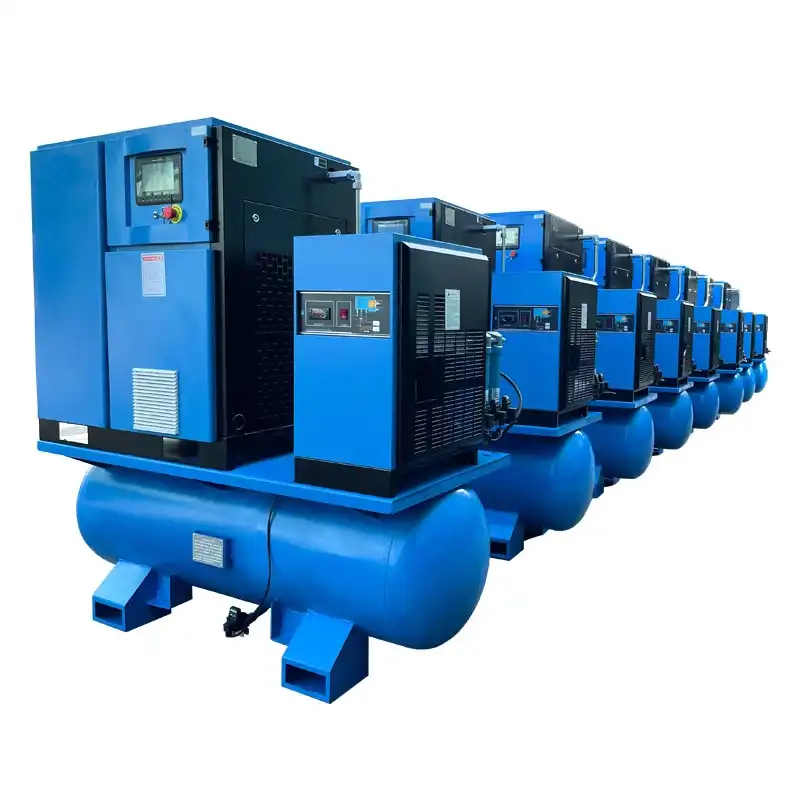
Electric motor
While purchasing an electric motor for air compressor, compatibility is a key factor. Not all motors work with the same type of air compressor, so it’s important to check the manufacturer’s instructions before purchasing. By doing this, you can avoid wasting money on an incompatible motor. Another important consideration is speed. A motor’s speed is its rate of rotation, measured in revolutions per minute. It is critical that you purchase a motor with sufficient speed to meet the needs of your air compressor.
Typically, an electric motor for air compressor is 1.5 hp. It is ideal for use with medical equipment and metal-cutting machines. It also performs well under continuous operation and offers a high efficiency and energy-saving performance. Moreover, it features an attractive price, making it a good choice for a wide range of applications. If you are looking for a motor for an air compressor, look no further than a ZYS series.
A motor’s protection class indicates how the motor will operate. Protection classes are specified by the IEC 60034-5. These are stated with 2 digits and represent the protection against solid objects and water. For example, an IP23 rating means that the motor will be protected from solid objects, while IP54 means that it will protect from dust and water sprayed from all directions. It is vital to choose a motor with the correct protection class for your air compressor.
When choosing an electric motor, you should consider whether it’s compatible with the brand of air compressor. Some may be compatible, while others may require advanced electronics skills to repair. However, most air compressors are covered by warranty, so it’s important to check with the manufacturer if the warranty is still in effect before you spend a dime on a replacement. The motor should be replaced if it has failed to perform as designed.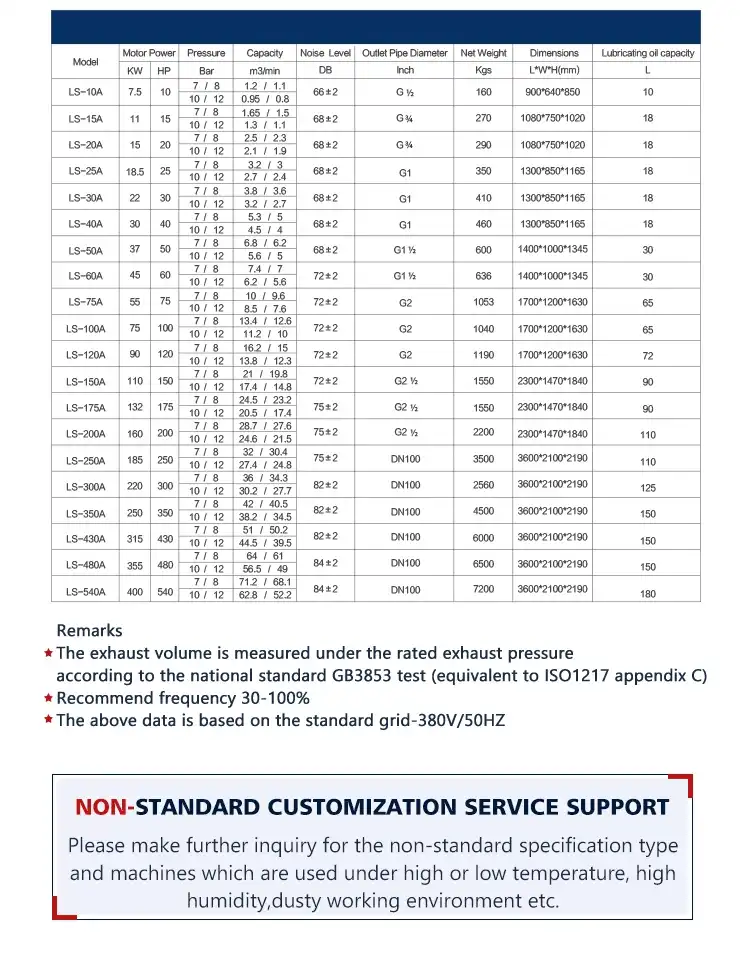
Oil bath
Air compressors require proper lubrication to function efficiently. The piston must draw air with minimal friction. Depending on their design, air compressors can either be oil-lubricated or oil-free. The former uses oil to reduce piston friction, while the latter splashes it on the cylinder bearings and walls. Such air compressors are commonly known as oil-flooded air compressors. In order to keep their oil baths clean, they are recommended for use in locations with high dust levels.
Start/stop control
An air compressor can be controlled by a start/stop control. This type of control sends a signal to the main motor that activates the compressor when the demand for air falls below a preset limit. This control strategy is effective for smaller air compressors and can be useful for reducing energy costs. Start/stop control is most effective in applications where air pressure does not change frequently and where the compressor is not required to run continuously.
To troubleshoot this problem, you need to check the power supply of your compressor. To check the supply side, use a voltage monitor to determine if power is flowing to the compressor. Ensure that the power supply to the compressor is steady and stable at all times. If it fluctuates, the compressor may not start or stop as expected. If you cannot find the problem with the air compressor power supply, it may be time to replace it.
In addition to the start/stop control, you may want to purchase additional air receivers for your air compressor. These can increase the capacity of air stored and reduce the number of times it starts and stops. Another way to decrease the number of starts per hour is to add more air receivers. Then, you can adjust the control to match your requirements. You can also install a pressure gauge that monitors the compressor’s performance.
Start/stop control for air compressors can be complex, but the basic components are relatively easy to understand. One way to test them is to turn the compressor on or off. It is usually located on the exterior of the motor. If you’re unsure of the location of these components, check the capacitors and make sure that the air compressor is not running while you’re not using it. If it does, try to remove the capacitor.
Variable displacement control is another way to adjust the amount of air flowing into the compressor. By controlling the amount of air, the control can delay the use of additional compressors until more required air is available. In addition to this, the device can also monitor the energy used in the compressor. This control method can result in substantial energy savings. You can even save on the amount of electricity by using variable displacement control. It is essential for efficient compressed air systems.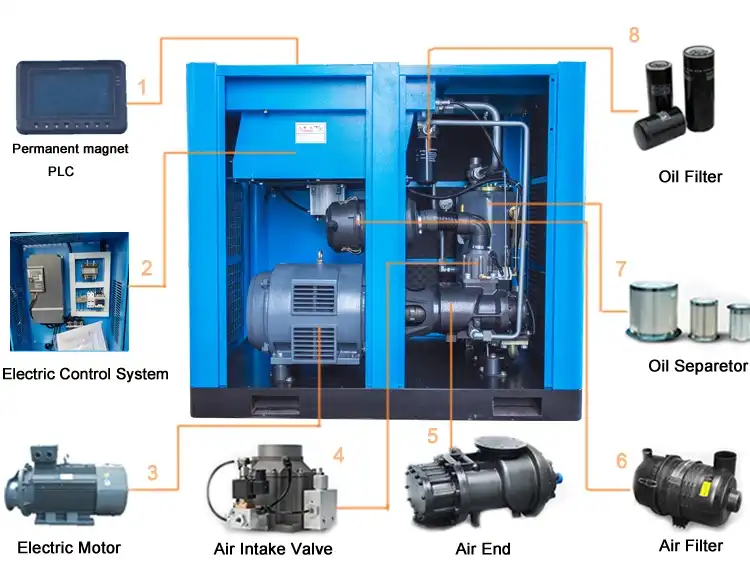
Variable speed drive
A VFD, or variable frequency drive, is a type of electric motor that adjusts its speed to match the demand for air. It is an efficient way to reduce energy costs and improve system reliability. In fact, studies have shown that a 20% reduction in motor speed can save up to 50% of energy. In addition, a VFD can monitor additional variables such as compressor oil pressure and motor temperature. By eliminating manual checks, a VFD will improve the performance of the application and reduce operating costs.
In addition to reducing energy costs, variable-speed drives also increase productivity. A variable-speed air compressor reduces the risk of system leaks by 30 percent. It also reduces the risk of system leaks by reducing pressure in the system. Because of these advantages, many governments are promoting this technology in their industries. Many even offer incentives to help companies upgrade to variable-speed drives. Therefore, the variable-speed drive can benefit many air compressor installations.
One major benefit of a variable-speed drive is its ability to optimize energy use. Variable frequency drives are able to ramp up and down to match the demand for air. The goal is to optimize the pressure and flow in the system so that the best “dead band” occurs between 40 percent and 80 percent of full load. A variable-speed compressor will also increase energy efficiency because of its programmability.
A variable-speed air compressor can also be used to control the amount of air that is compressed by the system. This feature adjusts the frequency of power supplied to the motor based on the demand. If the demand for air is low, the frequency of the motor will reduce to save energy. On the other hand, if there is an excess demand for air, the variable-speed compressor will increase its speed. In addition, this type of air compressor is more efficient than its fixed-speed counterpart.
A VFD has many benefits for compressed air systems. First, it helps stabilize the pressure in the pipe network, thereby reducing the power losses due to upstream pressure. It also helps reduce the power consumption caused by fluctuations in upward pressure. Its benefits are also far-reaching. And as long as the air pressure and air supply is properly sized, a VFD will help optimize the efficiency of compressed air systems.

