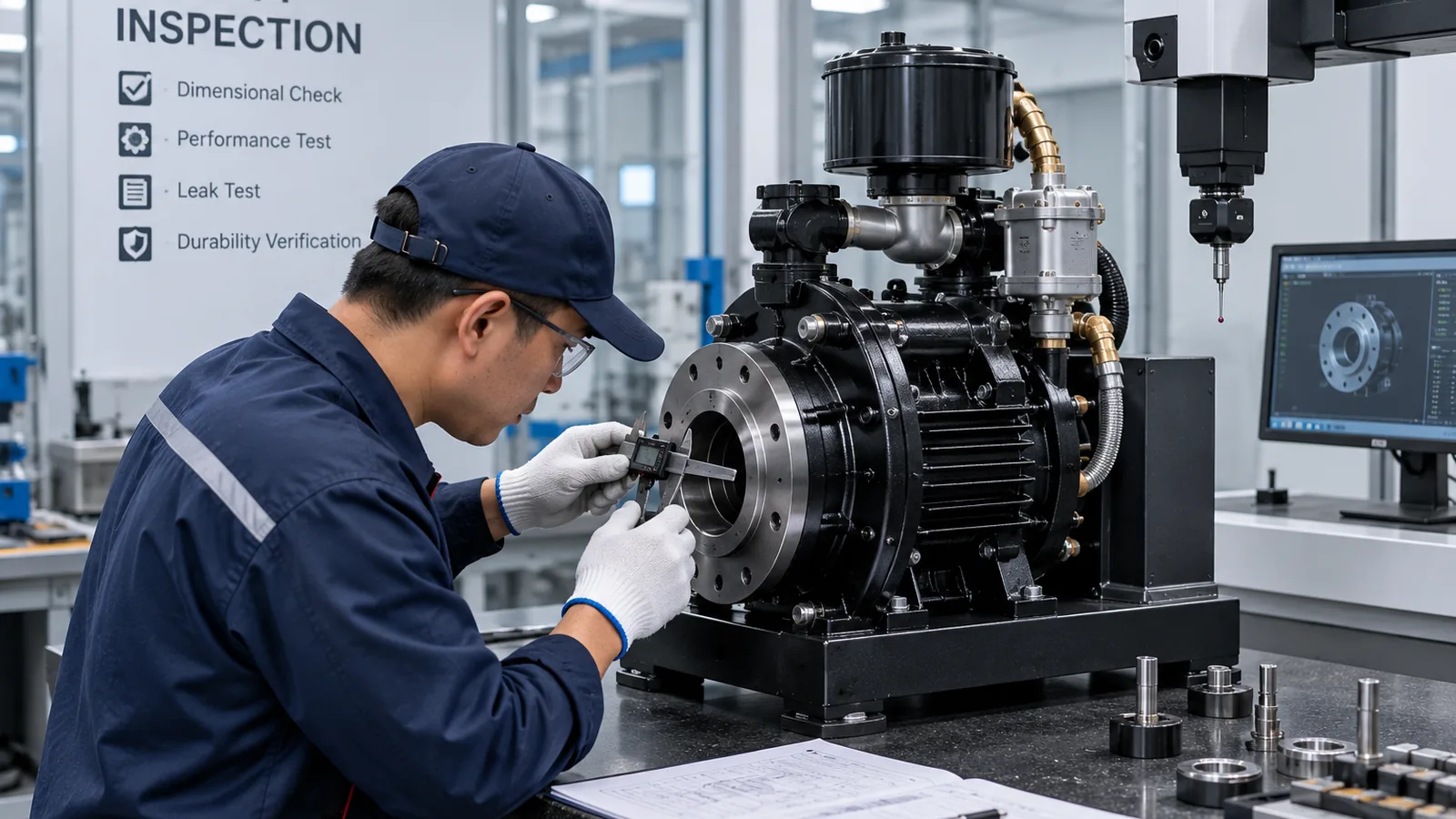
首先明确运行问题。
Air Compressor Selection Guide is organized around one purchasing decision: select compressor type and size from measurable load data. The page translates that decision into operating conditions, selection variables, installation checks and the information that should appear in a quotation request. Compressed-air projects become difficult when buyers start with a compressor name and work backward. A better method is to define what the air must accomplish, how much pressure is needed at the point of use, how flow changes over time and what environmental conditions can reduce performance.
For air compressor selection guide, document the longest continuous demand, simultaneous users, hose or pipe distance, acceptable pressure variation, ambient temperature, contamination risk and electrical constraints. Those inputs determine whether a compact receiver compressor, continuous-duty screw package or medium/high-pressure system deserves further review.

将该过程转化为可测量的空气需求
列出每个气动用气设备及其工作压力、额定流量和预期使用系数。区分连续用气设备和短时峰值用气设备。将可能同时出现的流量相加,然后将该总和与相应压力下的压缩机输出量进行比较。不要设置过大的安全裕度,以免掩盖不确定性;记录已知信息、估计值以及实际预期增长情况。
压力应在实际工作位置进行测量。过滤器、干燥器、阀门、快速接头和过长的细管都会消耗压力。如果某个工具需要稳定的压力,而压缩机的额定压力恰好设定在该值,那么即使压缩机本身运行正常,下游的压力损失也会导致系统性能不佳。
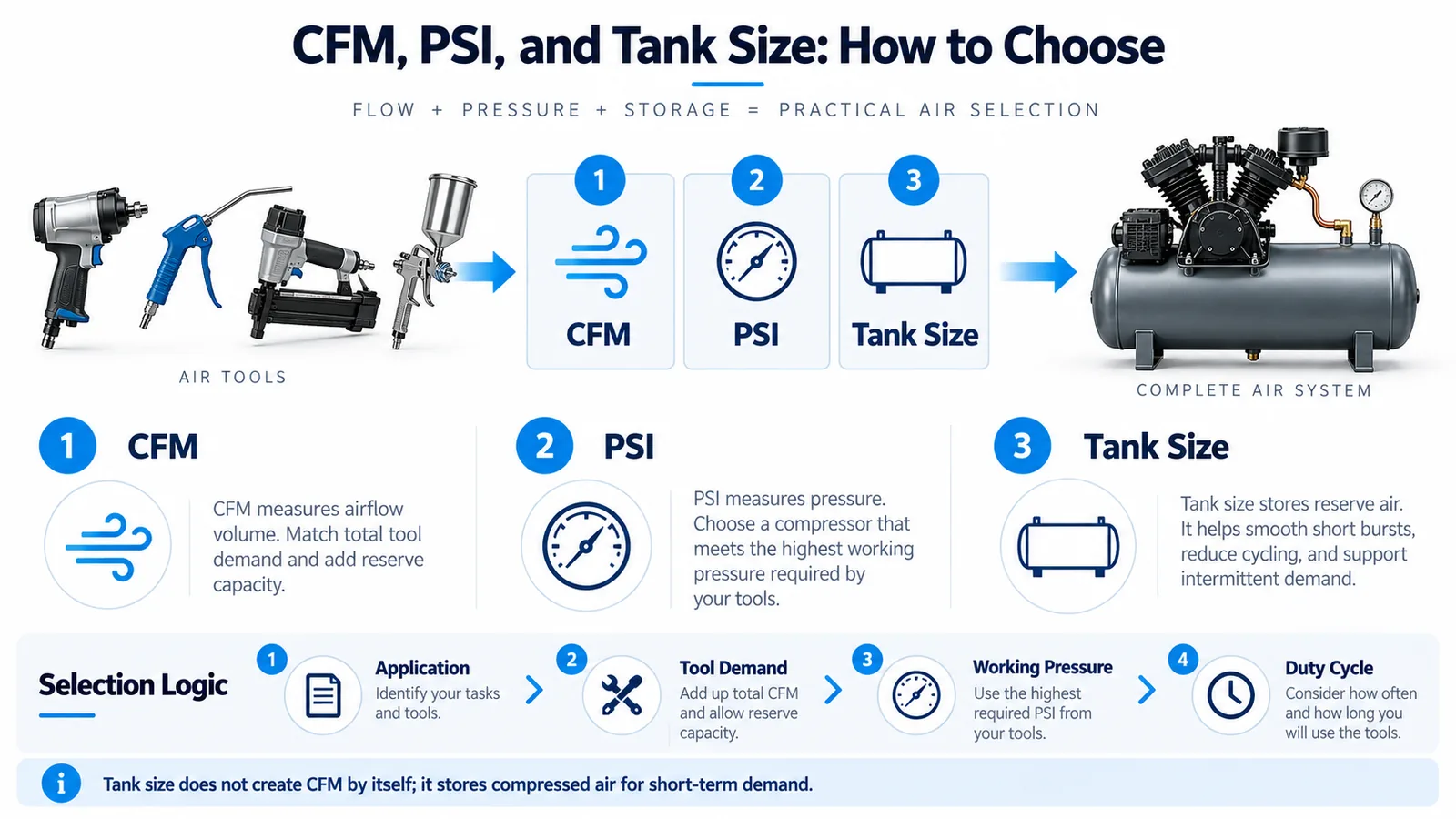
选择与负荷相匹配的压缩机架构
对于间歇性需求、紧凑型安装和维护任务,储气罐式无油压缩机组较为实用。当应用需要长时间运行和稳定供气时,螺杆式压缩机是更佳选择。中高压螺杆式压缩机系统适用于标准工厂空气压力不足以满足需求的场合。系统架构应根据负载曲线而非惯例进行设计。
冷却方式、维护通道和空气处理同等重要。放置在高温密闭房间内的连续运行机组的性能可能不如安装在通风良好的小型机组。即使压缩级不含油,洁净工艺应用也可能需要额外的过滤或干燥。
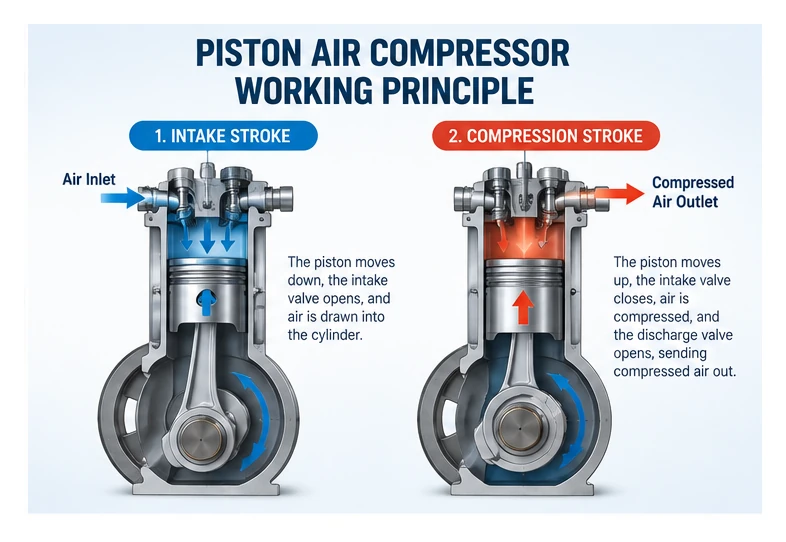
集成和安全检查
启动前,请确认电源、过电流保护、接地、隔离、排水、耐压管道以及通风情况良好。对于高压应用,下游所有阀门、软管、过滤器、储液器和连接件的额定压力必须符合实际最大压力要求。切勿仅凭螺纹尺寸匹配就认为某个部件适用。
制定一份调试记录,内容包括空载和负载压力、运行电流、温度、泄漏检查、排水操作以及异常噪音观测结果。该记录将成为后续故障排除的基准,并有助于区分系统压力损失和压缩机故障。
维护方面的影响
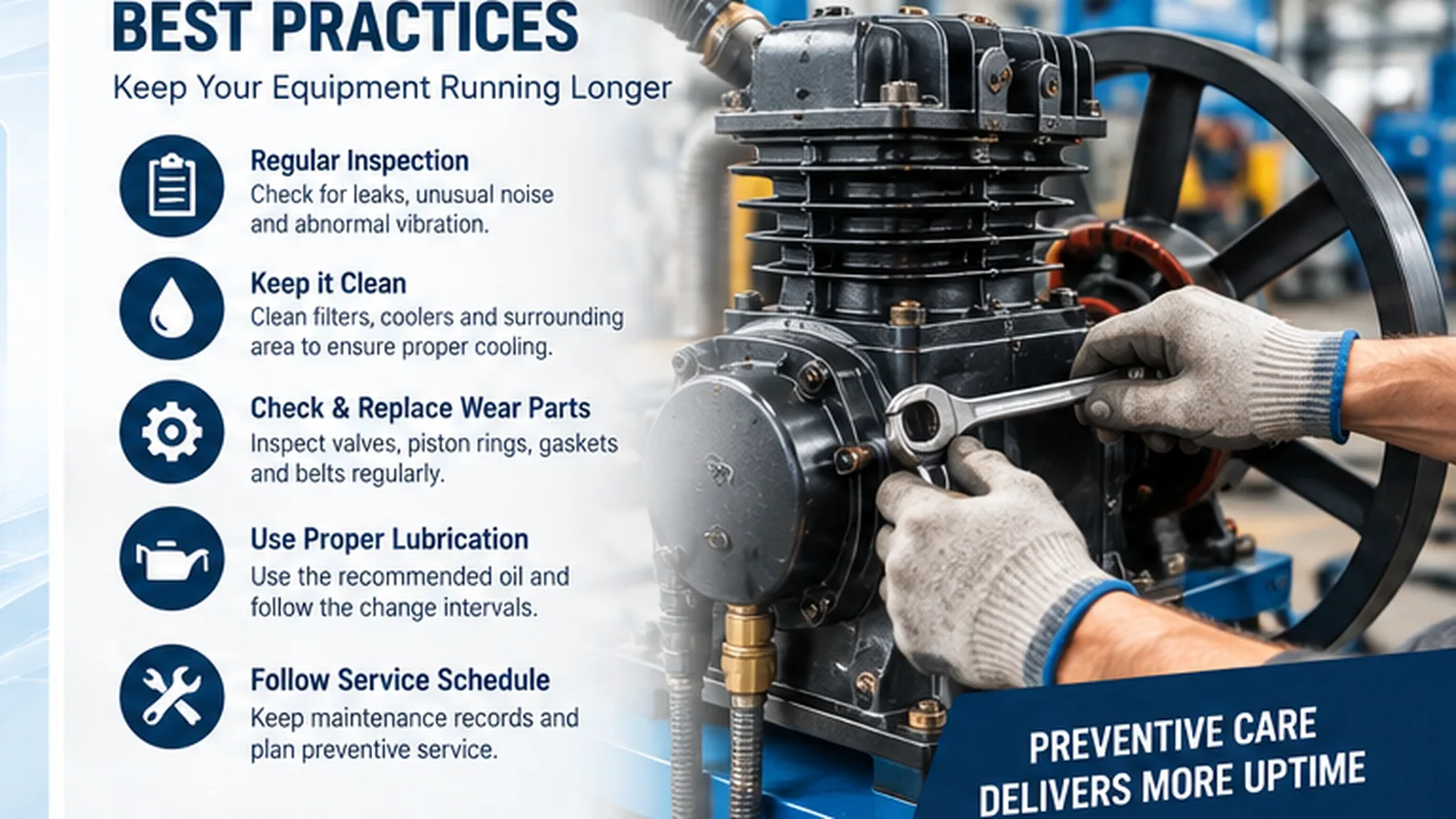
维护频率应根据进气清洁度、湿度、运行时间和温度而定,而不仅仅依据日历。检查过滤器、排水管、连接件、冷却表面以及任何必要的润滑剂或水路。一旦出现新的振动、发热、恢复时间延长或压力不稳定等情况,应尽早进行检查,因为这些症状可能表明存在堵塞、泄漏或部件磨损。
保持维修通道畅通,并记录干预措施。反复更换过滤器而不解决进气口积尘问题并非维护策略,而是安装条件需要改进的迹象。
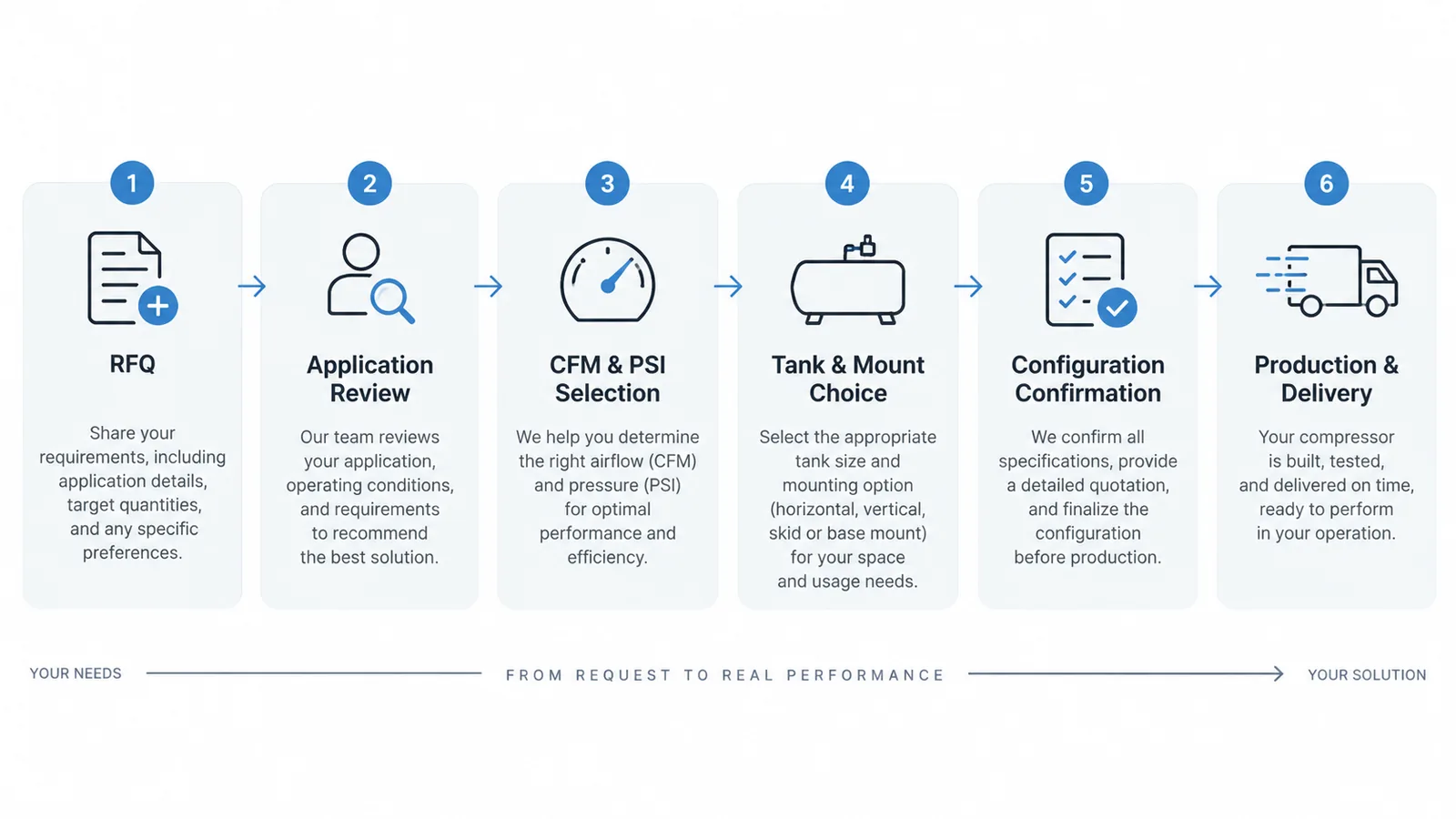
准备一份可定制的询价单
一份有效的询价单应包含以下信息:使用点的目标压力、所需流量、峰值持续时间、运行小时数、电压/频率、环境、空气质量要求、数量、目的地和安装范围。当压力或污染限制至关重要时,请提供下游工艺详情。如有图纸,请注明连接位置和最大尺寸。
这些信息使供应商能够在不进行任何假设的情况下比较不同的配置。如果某个值未知,请将其标记为未知,并提供产生该需求的机器或工具信息。
常问问题
首先要确认的数字是什么?
确认使用点所需的压力以及该压力下所需的空气流量。这两个值确定了中心工作点。
我是否应该考虑未来的扩展?
是的,但要量化实际增长。设定明确的未来负荷很有必要;任意过大的增长裕度反而会降低系统效率。
什么情况下需要使用高压压缩机?
当工艺过程确实需要高于标准工厂空气压力时,这种需求应由下游工艺和额定压力设备决定,而不是出于对额外储备的需求。
Operating conditions that should be stated in the specification
A useful air compressor selection guide specification distinguishes the normal operating point from the most demanding realistic condition. Record ambient temperature, intake-air cleanliness, humidity, elevation where it is relevant, working hours, starts or load changes, and the minimum acceptable pressure at the user. For an existing system, note whether demand is stable or seasonal and whether pressure problems occur during one specific shift or process step. These observations often explain why two installations using the same nominal compressor size can perform differently.
Distribution details belong in the same specification. Pipe diameter, hose length, filters, dryers, valves and quick couplers all create resistance. A compressor should not be upsized automatically to compensate for a restrictive distribution network. Measure pressure close to the compressor and again at the user during peak demand; a large difference points to system loss rather than insufficient compression capacity. This distinction prevents unnecessary equipment expansion and makes the corrective action easier to verify.
Serviceability, commissioning and long-term operating discipline
Service access should be designed before the machine arrives. Keep filters, drains, control panels, coolers and connection points reachable, and avoid placing the compressor where hot exhaust air is pulled back into the intake. Commissioning should create a baseline that includes loaded pressure, running current, temperature, recovery or loading behavior, drain function and abnormal-noise observations. That baseline is more useful than a generic maintenance interval because it gives technicians a known healthy condition for comparison.
During service, investigate trends rather than isolated symptoms. Rising temperature, longer recovery, frequent cycling or a gradual loss of point-of-use pressure may indicate filter restriction, leakage, cooling deterioration or changed plant demand. Record what changed and confirm the effect after maintenance. For high-pressure equipment, isolation and pressure-rated downstream components require extra attention; for clean-process air, downstream treatment and condensate control remain important even when the compression stage is oil-free.
Apply the engineering check to a product family
Use the calculations on this page to compare available compressor families. For real duty examples, review application planning, then send the confirmed operating point through the RFQ form. Apply the calculation at the real point of use rather than at the compressor outlet. Record pipe or hose length, treatment equipment, pressure drop and any receiver storage already in the system. A good selection leaves a rational operating margin without using arbitrary oversizing to hide missing demand data. If several consumers share one header, identify which can run at the same time and which are mutually exclusive. The resulting operating point can then be compared with model data and checked again during commissioning.